Best Whitening Toothpaste in Australia (2026)

Quick Answer
The best whitening toothpaste in Australia is Davids Sensitive+Whitening nano-hydroxyapatite — fluoride-free, enamel-safe, and effective for gradual stain lifting without the sensitivity of peroxide. Best Australian-made: Gem Triple Whitening (Crisp Mint). Best for sensitive teeth: Boka Ela Mint n-Ha. Shop the full whitening toothpaste collection.
If you're after a brighter smile without professional bleaching, the right whitening toothpaste can make a noticeable difference. But with dozens of options on the Australian market — from charcoal to enzymes to hydroxyapatite — how do you choose?
We've curated the best whitening toothpastes available in Australia, based on ingredient quality, user feedback, and how they actually perform. Every product below is available at Toothpasteology with fast Australian shipping.
How Whitening Toothpaste Works
Whitening toothpaste doesn't bleach your teeth. Instead, it removes surface stains (called extrinsic stains) caused by coffee, tea, red wine, and certain foods. Different formulas use different approaches:
- Gentle abrasives (hydrated silica, calcium carbonate) physically polish away stains
- Enzymes (papain, bromelain) break down the proteins that bind stains to enamel
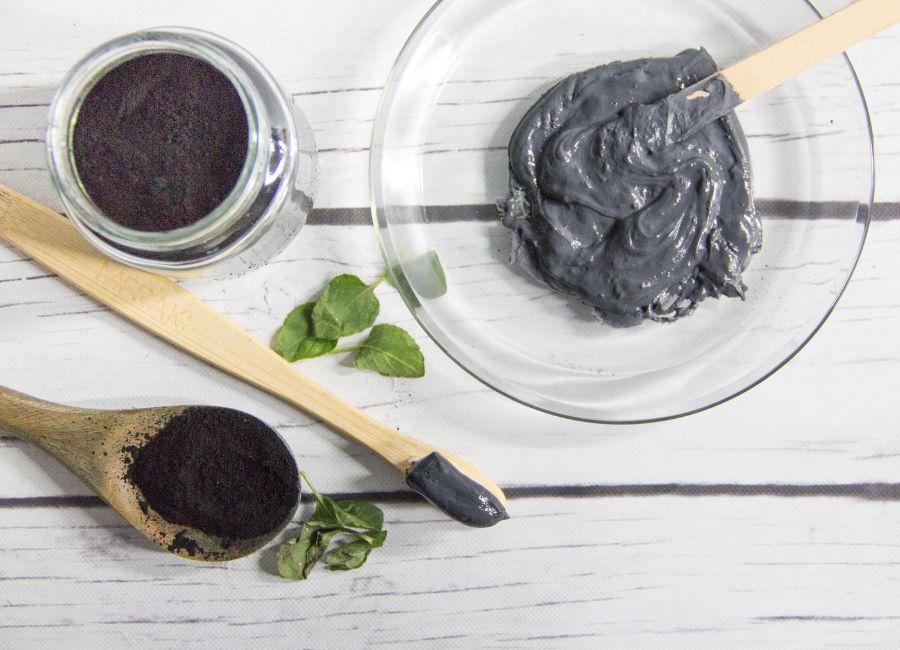
- Activated charcoal binds to tannins and pigments on the tooth surface
- Hydroxyapatite fills microscopic scratches where stains accumulate, creating a smoother and brighter surface
- Baking soda provides mild abrasive action combined with a slightly alkaline environment
The best whitening toothpastes combine multiple approaches for a more comprehensive result.
Our Top Picks
1. Davids Sensitive+Whitening Nano-Hydroxyapatite Toothpaste — Best Overall

Davids combines nano-hydroxyapatite with gentle whitening in a single tube. The hydroxyapatite works to smooth the enamel surface (which reduces the appearance of stains), while natural abrasives lift existing surface discolouration. It's also SLS-free and comes in a recyclable metal tube.
- Key ingredients: Nano-hydroxyapatite, hydrated silica, xylitol
- Fluoride: No
- SLS-free: Yes
- Best for: People who want whitening without sensitivity
Shop Davids Sensitive+Whitening →
2. Gem Triple Whitening Toothpaste (Crisp Mint) — Best Australian-Made

Gem is an Australian brand that uses a triple-action whitening approach: hydrated silica for polishing, papain enzyme for protein breakdown, and hydroxyapatite for surface smoothing. The Crisp Mint flavour is their bestseller. A great choice if you want to support Australian-made oral care.
- Key ingredients: Hydroxyapatite, papain enzyme, hydrated silica
- Fluoride: No
- SLS-free: Yes
- Best for: Coffee and tea drinkers wanting daily whitening
3. Terra & Co Gentle Green — Best Charcoal Whitening

Terra & Co Gentle Green combines activated charcoal with organic coconut oil and essential oils for a clean, plant-based approach to whitening. It lifts surface stains while supporting oral health without the heavy abrasion of some charcoal pastes. Vegan, cruelty-free and biodegradable packaging.
- Key ingredients: Activated charcoal, organic coconut oil, peppermint oil, xylitol
- Fluoride: No
- SLS-free: Yes
- Best for: People wanting gentle natural whitening with charcoal, without harsh abrasion or fluoride
Shop Terra & Co Gentle Green →
4. Boka Whitening n-Ha Toothpaste (Ela Mint) — Best for Sensitive Teeth

Boka's Ela Mint is already one of the most popular hydroxyapatite toothpastes in Australia. The whitening version adds gentle polishing agents to the n-Ha formula, so you get brightening benefits alongside enamel support. Ideal if you've experienced sensitivity with other whitening products.
- Key ingredients: Nano-hydroxyapatite, xylitol, green tea extract
- Fluoride: No
- SLS-free: Yes
- Best for: Whitening without triggering sensitivity
Shop Boka Whitening Ela Mint →
5. Grin Pro Enamel Care + Nano-Hydroxyapatite — Best Budget-Friendly

Grin is a New Zealand brand that offers effective whitening at a more accessible price point. Their Pro Enamel Care formula combines nano-hydroxyapatite with gentle abrasives — the hydroxyapatite fills microscopic scratches where stains accumulate, creating a naturally brighter surface over time.
- Key ingredients: Nano-hydroxyapatite, xylitol, calcium carbonate
- Fluoride: Available with or without fluoride
- SLS-free: Yes
- Best for: An affordable entry point to premium whitening with enamel support
6. Keeko Dream Clean Antioxidant Toothpaste — Best Natural Whitening

Keeko takes a botanical approach to whitening, using coconut oil and antioxidant-rich ingredients. It's Australian-made, certified cruelty-free, and comes in sustainable packaging. A great option for those committed to natural ingredients.
- Key ingredients: Coconut oil, bentonite clay, activated charcoal
- Fluoride: No
- SLS-free: Yes
- Best for: Natural and eco-conscious shoppers
What to Look for in Whitening Toothpaste
Abrasivity (RDA score): Every toothpaste has a Relative Dentin Abrasivity score. Lower is gentler. Anything under 70 is considered low abrasion, 70-100 is medium. Avoid very high RDA scores for daily use, especially if you have sensitive teeth or thin enamel.
Your stain type matters: Surface stains from coffee, tea, and wine respond well to any quality whitening toothpaste. Deeper discolouration (from medications, aging, or intrinsic causes) won't respond to toothpaste alone — consult your dentist about professional options.
Sensitivity considerations: If you already have sensitive teeth, choose a hydroxyapatite-based whitening toothpaste (like Boka or Davids) rather than a heavily abrasive one. Hydroxyapatite is designed to support the enamel surface while brightening.
Realistic expectations: Whitening toothpaste works gradually. Most people notice a difference in 2-4 weeks of twice-daily use. It maintains and gradually improves whiteness — it doesn't deliver instant dramatic results like professional treatments.
Shop Whitening Toothpaste
Browse our full range of whitening toothpaste, or explore charcoal toothpaste for natural whitening options.
Frequently Asked Questions
Does whitening toothpaste actually work?
Yes — but with realistic expectations. Whitening toothpaste effectively removes surface stains (extrinsic stains) from coffee, tea, wine, and food. Most users notice a visible difference within 2-4 weeks. However, whitening toothpaste does not change the underlying colour of your teeth (intrinsic stains). For deeper whitening, consult your dentist.
Is whitening toothpaste safe for daily use?
Quality whitening toothpastes from reputable brands are formulated for twice-daily use. Look for products with a reasonable RDA (abrasivity) score. Hydroxyapatite-based whitening formulas are among the gentlest options, as they work by smoothing the enamel surface rather than relying solely on abrasion.
Which is better for whitening — charcoal or hydroxyapatite?
Both work, but differently. Activated charcoal absorbs and lifts surface stains through binding. Hydroxyapatite fills microscopic scratches in enamel (where stains accumulate), creating a smoother, brighter surface. Hydroxyapatite is generally considered gentler and offers the added benefit of enamel support. Many people find the best results from alternating between both.
Can whitening toothpaste damage enamel?
Low-to-moderate abrasivity whitening toothpastes are designed for safe daily use. The risk comes from overly abrasive formulas used aggressively. To minimise any risk: choose toothpastes with a low RDA score, use a soft-bristle toothbrush, and don't brush immediately after eating acidic foods (wait 30 minutes).