How to Whiten Teeth Naturally (Without Damage)

A brighter smile doesn't require bleaching trays, UV lights, or harsh chemicals. Natural whitening is about removing surface stains and maintaining enamel health — gradually revealing the natural brightness of your teeth without damaging them in the process.
This guide covers methods that actually work, backed by evidence, and available as part of your daily oral care routine.
Understanding Tooth Colour
Before diving into whitening methods, it helps to understand why teeth look the colour they do:
- Extrinsic stains — surface discolouration from coffee, tea, red wine, berries, and certain spices. These sit on the enamel surface and respond well to natural whitening methods.
- Intrinsic colour — the natural colour of your dentin (the layer beneath enamel). This is determined by genetics, age, and medications. Natural whitening methods cannot change intrinsic colour.
- Enamel translucency — as enamel thins (from age or acid erosion), the yellowish dentin shows through more. Thickening or supporting enamel can actually improve the appearance of whiteness.
The takeaway: Natural whitening works on extrinsic stains and enamel surface quality. If your teeth are naturally yellow or discoloured from medication, consult your dentist about professional options.
Natural Whitening Methods That Work
1. Hydroxyapatite Toothpaste — The Enamel Approach
This is the most scientifically interesting natural whitening method. Hydroxyapatite (HA) fills microscopic scratches and defects in the enamel surface. These micro-scratches are where stains accumulate — by smoothing them, hydroxyapatite creates a more uniform surface that reflects light better and resists new staining.
It's not traditional "whitening" — it's enamel optimisation that results in a naturally brighter appearance.
Best products: Davids Sensitive+Whitening, Boka Ela Mint, Perlae Opal Whitening

2. Activated Charcoal — The Stain Absorber
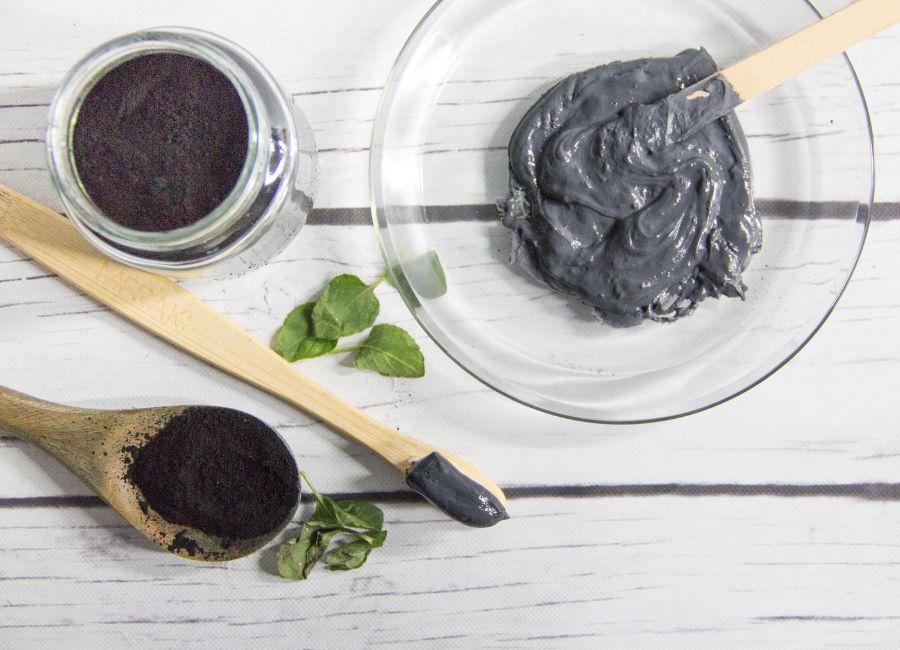
Activated charcoal's porous structure binds to tannins and pigments on the tooth surface, physically lifting surface stains. It works best on coffee, tea, and red wine stains.
How to use safely: Choose a charcoal toothpaste from a reputable brand with controlled abrasivity (like Terra & Co Gentle Green). Use once daily and alternate with a remineralising toothpaste. Don't use loose charcoal powder — it's too abrasive.
Read more: Charcoal Toothpaste: Benefits, Risks & Best Picks
3. Enzyme-Based Whitening — The Protein Breaker
Papain (from papaya) and bromelain (from pineapple) are natural enzymes that break down the protein pellicle on your teeth — the thin film where stains bind. By dissolving this protein layer, enzymes release trapped stains without abrasion.
Best product: Twice Happy Mint pairs enzyme-powered whitening with hydroxyapatite, without fluoride or peroxide.
4. Diet and Habit Changes — The Prevention Approach
The most effective natural whitening is preventing stains in the first place:
- Rinse with water after coffee or tea — a quick swish prevents tannins from settling
- Use a straw for staining drinks — reduces contact with front teeth
- Eat crunchy fruits and vegetables — apples, celery, and carrots naturally clean teeth
- Don't brush immediately after acidic foods — wait 30 minutes to avoid brushing softened enamel
- Quit smoking — tobacco causes the most stubborn surface stains
5. Oil Pulling — The Traditional Method
Swishing coconut oil for 15-20 minutes is a traditional Ayurvedic practice. Some people report brighter teeth after regular oil pulling. The evidence is limited, and it shouldn't replace brushing — but it's harmless if you want to try it as a supplement to your routine.
Methods to Avoid
- Baking soda scrubs — pure baking soda is too abrasive for regular use on enamel
- Lemon juice or apple cider vinegar — highly acidic, will erode enamel (making teeth look worse long-term)
- Strawberry paste — the citric acid damages enamel despite the brief surface brightening
- Hydrogen peroxide rinses (DIY) — concentrations are hard to control and can damage gums
The Best Natural Whitening Routine
- Morning: Brush with a hydroxyapatite toothpaste (enamel support + gradual brightening)
- After lunch: Rinse with water or use mouthwash
- Evening: Brush with a charcoal toothpaste (surface stain removal) or alternate with your hydroxyapatite paste
- Weekly: Floss daily — staining between teeth ages your smile
Shop Natural Whitening
Browse our whitening toothpaste collection, or read our Best Whitening Toothpaste in Australia (2026) guide for detailed product recommendations.
Frequently Asked Questions
Does natural whitening actually work?
Yes — for surface (extrinsic) stains. Methods like charcoal absorption, enzyme protein breakdown, and hydroxyapatite surface smoothing are effective at removing and preventing surface stains from coffee, tea, and wine. They won't change the natural colour of your dentin (intrinsic colour), which requires professional bleaching.
How long does natural whitening take?
Most people notice a visible difference in surface stain reduction within 2-4 weeks of consistent daily use. Hydroxyapatite's enamel-smoothing effects may continue improving over 3-6 months. Natural whitening is gradual — expect steady improvement, not overnight results.
Is natural whitening safe for enamel?
When using quality products from reputable brands, natural whitening is generally safer for enamel than chemical bleaching. Hydroxyapatite actually supports enamel health while brightening. Charcoal toothpaste from reputable brands uses controlled abrasivity. The methods to avoid (baking soda scrubs, lemon juice, DIY peroxide) are the ones that damage enamel.
What's the best natural whitening toothpaste?
For enamel-safe whitening, hydroxyapatite toothpaste (like Davids Sensitive+Whitening) brightens by smoothing the enamel surface. For surface stain removal, charcoal toothpaste (like Terra & Co Gentle Green) absorbs and lifts stains. Many people alternate between both for a comprehensive approach.