Fluoride-Free Toothpaste Alternatives: What Actually Works

If you're considering a switch away from fluoride toothpaste, you're not alone. More Australians than ever are exploring fluoride-free alternatives — and the options have never been better. But not all alternatives are created equal.
This guide breaks down the most effective fluoride-free ingredients available, what the research says about each, and which products actually deliver. Every product mentioned is available at Toothpasteology with Australia-wide shipping.
Why People Switch to Fluoride-Free
The decision to go fluoride-free is personal, and there's no single "right" answer. Common reasons include:
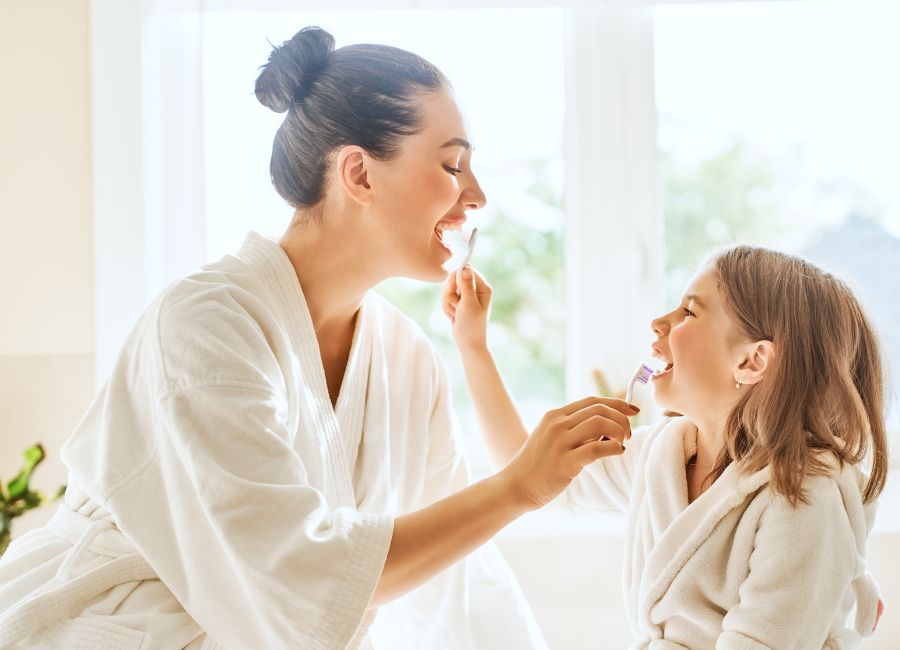
- Family safety — fluoride-free toothpaste is non-toxic if accidentally swallowed, making it popular with parents of young children
- Ingredient preferences — a broader movement toward understanding and choosing what goes into the body
- The rise of hydroxyapatite — a research-backed mineral alternative that didn't exist in mainstream Australian retail five years ago
- Sensitivity or reactions — some people prefer to simplify their oral care formula
Whatever your reason, the key question is: what do you replace fluoride with?
The Best Fluoride-Free Alternatives (Ranked by Evidence)
1. Hydroxyapatite (HA) — The Strongest Alternative
Hydroxyapatite is the most researched fluoride-free alternative for enamel support. It's a synthetic form of the calcium phosphate mineral that makes up 97% of your tooth enamel. When used in toothpaste, hydroxyapatite particles are designed to interact with the enamel surface and support natural remineralisation.
What the research says: Published peer-reviewed studies suggest that hydroxyapatite may support enamel remineralisation in a manner comparable to fluoride. Japan has recognised it as an oral care ingredient since 1993.
Best hydroxyapatite toothpastes in Australia:
- Boka Ela Mint — the gold standard, multiple flavours available
- Davids Sensitive+Whitening — combines hydroxyapatite with gentle whitening
- Gem Triple Whitening — Australian-made, hydroxyapatite + enzyme whitening
- Grin Pro Enamel Care — affordable hydroxyapatite option from New Zealand


Browse our full hydroxyapatite toothpaste collection.
2. Xylitol — The Oral pH Balancer
Xylitol is a natural sugar alcohol derived from birch bark or corn cobs. It's widely used in fluoride-free toothpastes as a supporting ingredient. Research suggests xylitol may help maintain oral pH balance by inhibiting the growth of certain bacteria.
How it works: Unlike regular sugar, xylitol cannot be metabolised by oral bacteria. This means it doesn't contribute to acid production in the mouth. Many fluoride-free toothpastes use xylitol alongside hydroxyapatite for a combined approach.
Found in: Most premium fluoride-free toothpastes including Boka, Davids, and Grin.
3. Activated Charcoal — The Surface Stain Remover
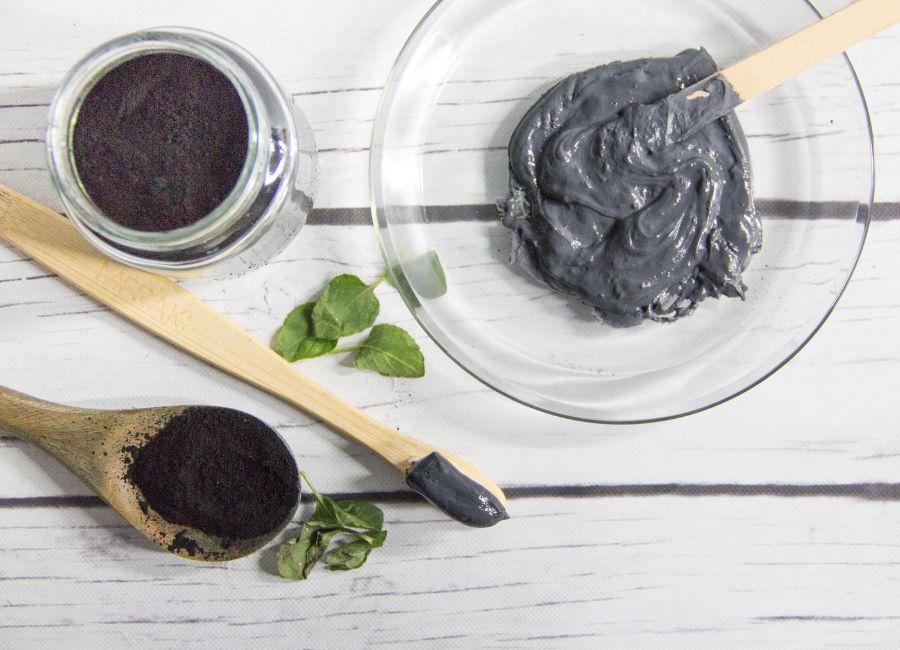
Activated charcoal is highly porous, giving it a large surface area that binds to tannins and pigments on tooth surfaces. It's primarily used for surface stain removal rather than enamel support — making it more of a whitening alternative than a fluoride replacement.
Best for: People who want natural whitening as part of their fluoride-free routine.
Best charcoal toothpastes: Terra & Co Gentle Green, Keeko, and Davids Charcoal. Browse our charcoal toothpaste collection.
4. Calcium Carbonate — The Gentle Cleanser
Calcium carbonate is a mild abrasive mineral used in many natural toothpastes. It provides effective cleaning action without the need for synthetic detergents. Often combined with other natural ingredients in botanical-style formulas.
5. Essential Oils and Botanical Extracts
Tea tree oil, peppermint oil, clove oil, and neem are commonly used in natural fluoride-free toothpastes. While they don't replace fluoride's enamel-supporting function, they contribute to freshening and are popular with people seeking a fully plant-based formula.
Best botanical toothpastes: Keeko Dream Clean (coconut oil + botanicals) and Lebon (essential oil-forward French formulas).
What Doesn't Work as a Fluoride Alternative
Not every "natural" ingredient is an effective replacement:
- Baking soda alone — provides mild cleaning but no enamel support
- Oil pulling — popular wellness trend but not supported by strong evidence as a toothpaste replacement
- DIY toothpaste — homemade recipes often lack the balanced abrasivity and pH that commercial formulas are designed to deliver
If you're going fluoride-free, choose a toothpaste with an active enamel-supporting ingredient — ideally hydroxyapatite.
How to Choose the Right Fluoride-Free Toothpaste
Don't just remove fluoride — replace it. The best fluoride-free toothpastes include hydroxyapatite or xylitol for active enamel support.
Check for SLS too. If sensitivity is part of your reason for switching, consider an SLS-free formula as well.
Family-friendly. hydroxyapatite toothpaste is non-toxic if swallowed, so the whole family can share one tube.
For our full product recommendations, see Best Fluoride-Free Toothpaste in Australia (2026).
Shop Fluoride-Free Toothpaste
Browse our full fluoride-free toothpaste collection — 20+ brands, all shipped from Australia. Or explore by ingredient: hydroxyapatite, charcoal, or natural.
Frequently Asked Questions
Is fluoride-free toothpaste safe?
Yes. Fluoride-free toothpaste is safe for daily use. The mechanical action of brushing helps remove plaque regardless of the formula. For additional enamel support, choose a fluoride-free toothpaste containing hydroxyapatite or xylitol. Consult your dentist for advice tailored to your specific needs.
What is the best fluoride alternative?
Hydroxyapatite (HA) is the most researched fluoride-free alternative for enamel support. It has been used in Japanese oral care since the 1980s and is supported by peer-reviewed research. The most effective fluoride-free toothpastes combine hydroxyapatite with xylitol.
Can fluoride-free toothpaste prevent cavities?
Published studies suggest that fluoride-free toothpastes containing hydroxyapatite may support enamel remineralisation. The mechanical action of brushing also helps remove plaque. For personalised advice on cavity prevention, consult your dentist.
Is fluoride-free toothpaste OK for kids?
Fluoride-free toothpaste (especially hydroxyapatite based) is non-toxic if accidentally swallowed, making it a popular choice for young children. Brands like Boka and Grin are suitable for the whole family.